
Ice cubes sticking together is usually caused by moisture on their surfaces freezing the cubes into a single clump. This can happen when ice partially melts and refreezes, when warm or humid air enters the freezer, or when ice remains in the storage bin for too long.
A few connected cubes are generally harmless. However, if the ice repeatedly forms large solid blocks, becomes unusually wet or soft, or stops dispensing properly, the problem may involve freezer temperature, the ice maker, or the storage bin.
This guide explains why ice cubes clump together, how to separate frozen ice cubes safely, and what to check when an ice maker produces wet or soft ice.
Why Are My Ice Cubes Sticking Together?
The most common reason ice cubes sticking together is repeated melting and refreezing. Ice does not need to melt completely to form a solid clump. A thin layer of water on the surface of individual cubes can freeze again and join them together.
Several conditions can cause this.
1. Ice Partially Melts and Refreezes
When the temperature inside a freezer rises temporarily, the outer surface of the ice may begin to melt. As the temperature drops again, the water freezes and bonds neighboring cubes.
This can happen when:
- The freezer door is opened frequently.
- Warm food is placed near the ice storage area.
- The freezer temperature fluctuates.
- The door is not closing completely.
- The door gasket is damaged or dirty.
If ice cubes repeatedly form into a large block, check whether the freezer is maintaining a consistent temperature.
2. Moisture Enters the Ice Storage Bin
Warm, humid air can enter the freezer whenever the door is opened. Moisture may settle on the ice and form a thin layer of frost or water.
When that moisture freezes, individual cubes can stick together.
An uncovered ice bin, a poorly sealed container, or frequent access to the ice can make the problem worse.
3. Ice Has Been Stored for Too Long
Ice stored for an extended period can gradually lose moisture through sublimation. This process allows ice to change directly into water vapor without first becoming liquid.
As ice shrinks, its surface may become rough or uneven. Older ice can also develop freezer odors and accumulate frost, making it less pleasant to use.
However, ice shrinking in the freezer does not automatically mean the freezer is malfunctioning. It can be a normal result of prolonged storage and temperature conditions.
For better quality, use older ice first and allow the ice maker to replenish the supply.
4. The Ice Bin Is Overfilled or Has Poor Air Circulation
When the storage bin is packed with ice, cubes may press against each other and become harder to separate. If some cubes develop surface moisture, they can freeze into larger clusters.
Remove excess ice when necessary and avoid allowing the bin to remain packed with old ice for long periods.
How to Separate Frozen Ice Cubes Safely
If your ice cubes have frozen into a solid mass, do not force the clump apart with a knife, screwdriver, or other sharp object. You could damage the bin or injure yourself.
Follow these steps:
- Turn off the ice maker temporarily so it does not add fresh ice to the existing clump.
- Remove the ice bin if your appliance allows it.
- Empty the loose ice and discard any ice that smells unusual or appears contaminated.
- Allow the frozen clump to loosen slightly at room temperature, then gently separate the cubes by hand.
- Wash the ice bin with warm water and a mild, appliance-safe cleaning solution.
- Rinse thoroughly and dry the bin completely before reinstalling it.
- Check the freezer temperature and door seal before making another batch of ice.
Do not pour hot water directly into a refrigerator ice maker or use sharp tools to break ice inside the mechanism. Sudden temperature changes and excessive force can damage plastic components.
If the ice is frozen around the auger or dispensing mechanism, consult the appliance manual before attempting to remove it.
Ice Maker Melting Ice Overnight: Is It Normal?
If you find that ice has melted overnight, the first thing to determine is what type of ice maker you have.
Refrigerator Ice Maker
A refrigerator freezer is designed to keep stored ice frozen. If ice regularly melts and refreezes inside the storage bin, investigate:
- Freezer temperature settings.
- Door closure and gasket condition.
- Frost buildup around the freezer compartment.
- Frequent door openings.
- Whether warm air is entering the freezer.
If the freezer feels warmer than usual or other frozen foods are also softening, the issue may involve the freezer’s cooling system rather than the ice maker alone.
Countertop and Portable Ice Makers
Many countertop ice makers do not have a refrigerated storage compartment. They produce ice and transfer it into an insulated basket, but the basket does not actively keep the ice frozen.
As a result, ice can melt overnight even when the machine is operating normally. Some models return the melted water to the reservoir for reuse.
This distinction is important when troubleshooting an Ice Maker Not Keeping Ice Frozen problem. If you own a portable model, melting ice in the basket may be normal rather than a mechanical failure.
Check the manufacturer’s instructions to confirm whether your machine is designed to store ice or simply produce it.
Ice Maker Making Wet Ice, Soft Ice, or Slushy Ice
Ice Maker Making Wet Ice, Ice Maker Soft Ice, and Ice Maker Making Soft Ice describe related symptoms, but they do not always have the same cause.
Ice can become wet or soft because it is beginning to melt, because the machine has not completed its freezing process, or because the storage area cannot maintain a sufficiently low temperature.
Check Whether the Ice Is Fresh or Has Been Stored
Take a small amount of newly produced ice and compare it with the ice already in the bin.
- If fresh ice is firm but stored ice is wet, the problem may be related to storage conditions.
- If newly produced ice is already soft, check the machine’s water supply, operating conditions, and cooling performance.
- If the ice is partly melted and freezes together later, temperature fluctuations may be responsible.
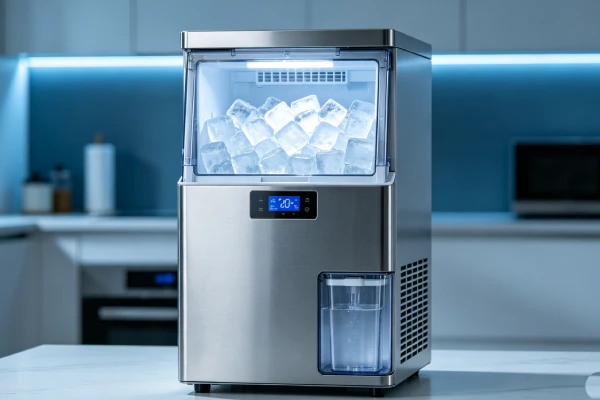
Check the Freezer or Ice Maker’s Operating Conditions
For a refrigerator ice maker, check the freezer temperature and make sure the door closes properly.
For a countertop ice maker, check whether the machine has adequate ventilation, whether its water reservoir is filled correctly, and whether the surrounding temperature is within the manufacturer’s specified operating range.
If the machine consistently produces soft ice or takes much longer than usual to freeze water, consult its troubleshooting instructions. A cooling-system problem may require professional diagnosis.
Why Does an Ice Maker Make Slushy Ice?
An Ice Maker Makes Slushy Ice problem can occur when the ice does not freeze completely or begins melting before it is used.
For a portable ice maker, remember that its storage basket may not be refrigerated. Ice can become wet or slushy after production even though the freezing cycle itself is working correctly.
For a refrigerator ice maker, persistent slushy ice is less normal and deserves a check of freezer temperature and cooling performance.
Ice Maker Not Dispensing Ice Cubes Because of Clumping
When ice cubes stick together, they can block the opening between the storage bin and dispenser. This may cause an Ice Maker Not Dispensing Ice Cubes problem even when the ice maker is still producing ice.
Try the following:
- Stop the ice maker and remove the storage bin if possible.
- Check whether large frozen clumps are blocking the ice outlet.
- Empty the bin and safely separate the clumped ice.
- Inspect the dispenser opening for loose ice fragments or frost.
- Clean and dry the bin before putting it back.
- Test the dispenser with a small amount of fresh ice.
If the dispenser still does not work after removing the obstruction, the problem may involve the auger, motor, dispenser door, or control system.
Do not assume that every dispensing problem is caused by clumped ice. If the mechanism makes unusual noises or does not move, further diagnosis may be necessary.
How to Stop Ice Cubes from Sticking Together
Preventing ice clumping is easier than repeatedly breaking apart frozen blocks.
Keep the Freezer Temperature Stable
For a typical household freezer, the recommended temperature is around 0°F (-18°C). Use the appliance’s temperature display or a separate freezer thermometer to check the actual conditions.
Avoid repeatedly changing the temperature setting. If the freezer cannot maintain the target temperature, investigate the door seal, ventilation, and cooling performance.
Store Ice in a Clean, Dry Container
If your refrigerator has a removable ice bin, clean it periodically and dry it completely before returning it.
For ice made using trays or a separate machine, transfer the ice to a clean, freezer-safe container with a lid. This helps reduce exposure to humid air and food odors.
Avoid Frequent Temperature Changes
Limit unnecessary freezer-door openings and make sure the door closes fully. Do not leave the door open while removing ice or organizing frozen food.
Use Older Ice First
Do not allow ice to accumulate indefinitely. Empty old ice when it has developed an unusual smell, excessive frost, or poor quality, then allow the machine to produce fresh ice.
Do Not Overfill the Ice Bin
Keep the ice level within the manufacturer’s recommended capacity. An overfilled bin can interfere with the ice maker and make dispensing more difficult.
When Does Ice Clumping Indicate a Problem?
A small amount of ice sticking together occasionally is not necessarily a sign of equipment failure.
However, investigate further if you notice any of these symptoms:
- Ice repeatedly freezes into large solid blocks.
- Freshly produced ice is consistently wet or soft.
- Ice melts unusually quickly in a refrigerator freezer.
- Other frozen foods are also becoming soft.
- The ice dispenser repeatedly becomes blocked.
- The freezer has excessive frost or cannot maintain its set temperature.
If several symptoms occur together, the problem may involve the freezer’s temperature control, door seal, defrost system, or cooling components.
For a portable ice maker, first confirm whether the storage basket is designed to keep ice frozen. Do not replace the machine simply because ice melts in a non-refrigerated basket.
Frequently Asked Questions
Why are my ice cubes sticking together in the freezer?
The most common cause is surface melting followed by refreezing. Temperature fluctuations, humid air, frequent freezer-door openings, and prolonged storage can all contribute to ice clumping.
How do I separate frozen ice cubes without damaging them?
Remove the ice bin if possible, allow the clump to loosen slightly, and gently separate the cubes by hand. Avoid knives, screwdrivers, and excessive force.
Why does ice melt in an ice maker overnight?
Many countertop ice makers do not have refrigerated storage baskets. Their ice naturally melts over time, even when the machine is working normally. Refrigerator ice should remain frozen if the freezer is operating correctly.
Why is my ice soft even when it has just been made?
Freshly produced soft ice may indicate incomplete freezing, unsuitable operating conditions, or a cooling problem. Compare fresh ice with stored ice and check the manufacturer’s operating requirements.
Can dirty ice bins cause ice cubes to stick together?
Yes. Residue, moisture, and frost inside the bin can contribute to ice clumping. Clean the bin with an appropriate cleaning solution, rinse it thoroughly, and dry it completely before use.
Should I replace my ice maker if ice cubes keep clumping?
Not immediately. First check the freezer temperature, storage conditions, ice bin, and dispenser for obstructions. If the machine also produces consistently soft ice or has other operating problems, further troubleshooting may be needed.
Final Thoughts
Ice cubes sticking together is usually a storage or temperature problem rather than an automatic sign that the ice maker has failed. Surface melting, refreezing, moisture, and prolonged storage are the main factors to investigate.
Start by separating and cleaning the ice bin, checking the freezer temperature, and improving how ice is stored. If freshly produced ice remains soft or the refrigerator freezer cannot keep food frozen, investigate the appliance’s cooling performance instead of treating every symptom as an ice-clumping problem.