
1. Why the Original Product Type Is Risky
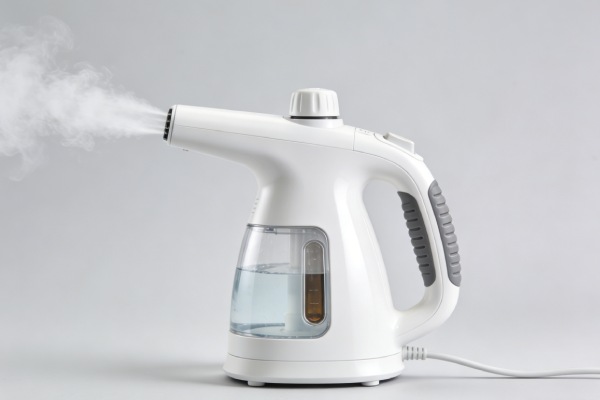
The modern, high-wattage, plastic-bodied garment steamer is architecturally risky for long-term ownership. Its design centralizes failure in two areas: a complex, miniaturized steam-generation system and thermally unstable internal materials. To achieve a compact, “powerful” form factor, manufacturers use a small, high-wattage heating element paired with a low-cost diaphragm pump in a plastic chamber. This assembly operates at its thermal and mechanical limits, leading to predictable pump burnout and clogging. Furthermore, the plastic water reservoir and internal tubing are often made from polymers that off-gas when heated, transferring chemical odors to fabrics. The product is engineered for initial impressive specs and low unit cost, not for a decade of reliable, safe service.
2. Failure Patterns Summary
Field data and aggregated user reports consistently show the following failure modes for this product category:
- Premature Mechanical Failure: Water pump or heating element burnout within 3-24 months, even with distilled water.
- Material Contamination: Chemical odor transfer from heated internal plastics onto clothing.
- Ergonomic & Functional Failure: Heavy, unbalanced design causing fatigue; inability to produce a consistent, dry steam jet (water sputtering).
- Performance Degradation: Noticeable reduction in steam output and wrinkle-removal efficacy over time, often before complete failure.
- Non-Repairable Design: Sealed units with no available replacement parts, making any internal fault a terminal event.
3. What Makes a Safer Alternative
A safer alternative is defined by design choices that prioritize long-term stability, user health, and repairability over compact size or peak wattage. Key criteria include:
- Material Safety: Use of glass, stainless steel, or high-temperature, food-grade plastics in all steam and water pathways.
- Thermal Margin: A heating system that operates well below its maximum capacity, reducing stress and extending lifespan.
- Serviceable Design: User-accessible components, such as replaceable heating elements or pumps, and the availability of spare parts.
- Simple, Proven Mechanics: Favoring fewer moving parts and robust, time-tested mechanisms over complex, miniaturized assemblies.
- Functional Honesty: A design focused on effectively performing its core task (removing wrinkles) without unnecessary features that add failure points.
4. Recommended Safer Design Types
Type A: The Traditional Steam Iron with a Separate Water Tank
- How it Works: A standalone boiler generates steam, which is delivered to a traditional iron via a hose. The iron provides a heated plate for tension and creasing.
- Risks Eliminated: Separates the water reservoir from intense heat, eliminating plastic off-gassing. Uses larger, more robust pumps and heating elements. The iron’s weight and heat provide mechanical wrinkle removal, reducing reliance on steam pressure alone.
- Trade-offs: Less portable; requires an ironing board. Setup is more involved than a handheld unit.
Type B: The Simple, Metal-Bodied Handheld Steamer
- How it Works: A straightforward vertical design where a larger water tank sits above a simple, often metal, heating chamber. Uses gravity feed rather than a complex pump.
- Risks Eliminated: Eliminates the failure-prone pump. Metal construction prevents chemical odors. Fewer parts mean fewer things can break.
- Trade-offs: May have a longer heat-up time. Steam output is less forceful, requiring more passes on heavy fabrics. Less suitable for creating sharp creases.
Type C: The Commercial-Grade Garment Steamer (often on wheels)
- How it Works: A large-capacity, upright unit with a substantial boiler, long hose, and a brush-head attachment. Designed for high-volume use in retail or hospitality.
- Risks Eliminated: Built with industrial-grade components for continuous duty. Features easy-drain systems and accessible, repairable parts. Engineered for years of daily use.
- Trade-offs: High initial cost, large storage footprint, and significant weight. Overkill for occasional home use.
5. Best Options by Use Case
- For Whole-Home Reliability & Serious Fabric Care: Type A (Steam Iron System). This is the most versatile and effective solution for a household that regularly irons shirts, dresses, and linens. It handles all fabrics and creates professional creases.
- For Quick Refresh, Delicates, and Travel: Type B (Simple Metal Handheld). Ideal for steaming hanging garments, drapes, or delicate items. Choose a model with a clearly metal heating chamber and minimal plastic in the steam path.
- For Small Business, Frequent Use, or Cost-Per-Use Value: Type C (Commercial Steamer). If you steam multiple garments daily (e.g., selling online, large family), the durability and speed justify the investment and space.
6. Best Options by Durability
- Highest Expected Service Life (10+ years): Type C. Built for commercial duty cycles with over-spec’d components.
- High Expected Service Life (7-10+ years): Type A. The separation of functions allows each component (boiler, iron) to be serviced or replaced independently. Many models from the 1990s are still functional.
- Moderate Expected Service Life (5-7 years): Type B. Simplicity is key. A well-made gravity-fed metal steamer has very little to go wrong, but the heating element is still a wear item.
7. Best Options by Repairability
- Type A & C: Typically have the best repairability. Heating elements, thermostats, hoses, and pumps are standard, replaceable parts. Service manuals are often available.
- Type B: Repairability varies. Prioritize models where the heating chamber can be unscrewed and the element identified. Avoid any unit that is glued or sonic-welded shut.
8. Buyer Matching Guide
- Choose Type A if: You value perfect creases, handle a variety of fabrics, have space for an ironing board, and view the appliance as a 10-year investment.
- Choose Type B if: You primarily steam hanging garments, have limited storage, are sensitive to chemicals, and prioritize simplicity and low cost over creasing ability.
- Choose Type C if: You steam clothes as part of a business, have a dedicated space for it, and cannot afford downtime from appliance failure.
- Stick with a Basic Iron if: You rarely need to remove wrinkles from hanging items and are satisfied with traditional ironing. Adding a separate steamer may be an unnecessary complication.
9. Final Safer Choice Summary
The architecturally safest alternative for most households is a steam iron system with a separate water tank (Type A). This design successfully decouples the high-heat steam generation from the point of use, employs more durable components, and offers the functional versatility of a hot ironing plate. The core trade-off is the convenience of a single, lightweight handheld device for the superior performance, material safety, and longevity of a two-part system. By choosing a design based on thermal margin, material integrity, and serviceability, you exchange the high risk of premature, contaminating failure for predictable, long-term ownership and control over your garment care.