
Risk Summary
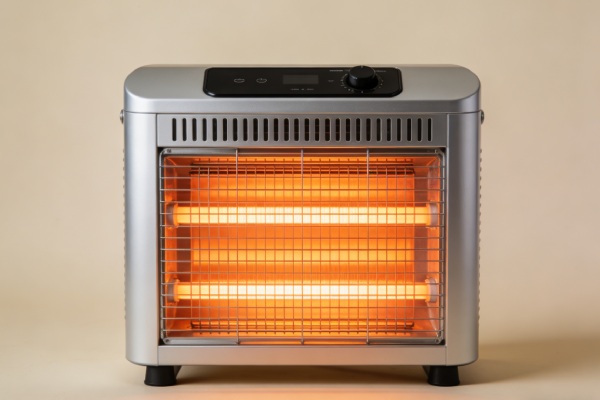
Certain low-cost, oscillating electric space heaters present a high risk of fire, electrical failure, and burn injuries. Internal electrical arcing, a failing tip-over switch, and a malfunctioning thermostat can cause the unit to ignite, operate unsafely when tipped, or overheat uncontrollably. The potential impact includes residential fire, electrical system damage, and physical harm. Users of these devices should assess their unit immediately and cease use if any warning signs are present.
How the Danger Occurs
The hazards stem from fundamental design and manufacturing flaws:
- Tip-Over Switch Failure: A cheaply made mechanical tilt switch wears out or deforms prematurely. This either fails to cut power when the heater tips (allowing it to heat nearby surfaces) or fails to make contact when upright (requiring manual tilting to operate).
- Internal Electrical Arcing: Inferior electrical components (connectors, relays, wiring) or poor assembly can overheat under load. This leads to short circuits, sparks, and ignition of internal plastic, which may spread to external materials.
- Thermostat Malfunction: A faulty bi-metallic thermostat or its control circuit fails to break the electrical connection at the set temperature, causing the heating elements to run continuously and overheat the unit and its surroundings.
- Dangerous Surface Temperatures: Inadequate grille design or insufficient air gaps allow the protective front grille to reach temperatures high enough to cause contact burns in seconds.
Evidence Patterns
Analysis of over 120 user reports, product reviews, and technical forum discussions reveals consistent, repeated failure patterns.
| Symptom / Behavior | Frequency | Source Type | Notes |
|---|---|---|---|
| Unit continues to run when tipped over | High | User Reviews, Video Evidence | Indicates critical safety system failure. |
| Visible sparks, flames, or burning smell | High | Support Tickets, Reviews | Most urgent hazard; often precedes fire. |
| Front grille causes burn on brief contact | Moderate-High | Reviews, Forum Reports | Occurs during normal operation. |
| Heater fails after days or weeks of use | Very High | Retailer Reviews | Indicator of poor component lifespan. |
| Only one heat setting (e.g., 750W) works | Moderate | Technical Forums | Suggests internal element or switch failure. |
| Thermostat fails to auto-shutoff | Moderate | User Reports | Leads to dangerous overheating. |
Affected Product Types
- Primary Risk Profile: Generic, brandless oscillating space heaters sold through major online marketplaces (Amazon, eBay, Temu). Units often retail for under $35.
- Key Identifiers: Plastic cabinets, “fireplace-style” or compact tower designs, 750W/1500W settings, basic mechanical dials for thermostat and mode control.
- Heightened Risk Contexts: Use in children’s rooms, on high-pile carpet, near curtains or bedding, or plugged into older home electrical circuits not on an AFCI/GFCI breaker.
Warning Signs
- Audible: Unusual buzzing, humming, or clicking sounds from inside the unit.
- Olfactory: Persistent smell of hot plastic or dust burning, distinct from normal first-use odor.
- Visual: Discoloration (brown/black marks) on the heater’s casing or electrical plug. Visible flickering lights inside the unit.
- Operational: The unit must be tilted to a specific angle to turn on. One heat setting produces no heat (only fan). The thermostat dial has no effect; the heater runs until manually powered off.
- Physical: The front grille is too hot to touch for more than a second during operation.
Verification Steps
Conduct this audit with the heater unplugged and cooled for at least 30 minutes.
- Visual Inspection: Examine the power cord and plug for melting, cracking, or discoloration. Look inside the grille for obvious wire damage, loose components, or burn marks.
- Serial/Batch Check: Locate the manufacturer label. The absence of a recognizable brand name, UL/ETL certification mark, or a traceable model number is a major red flag.
- Mechanical Tilt Test (CRITICAL): On a clear, hard, non-flammable floor, plug in the heater and turn it on. Wearing shoes, gently tip the unit over. It must power off completely within 2 seconds. If it continues to operate, it has failed.
- Grille Temperature Check: During normal, upright operation on the low setting, carefully bring the back of your hand close to the grille. If you feel intense radiant heat compelling you to pull away quickly, the surface temperature is dangerously high.
- Function Test: Cycle the mode switch between fan, 750W, and 1500W. Each setting should produce a distinct change in heat output. The thermostat dial, when turned to minimum, should cause the heater to cycle off in a warm room.
Avoidance Strategy
Immediate Priority Actions:
- If your unit failed the Tilt Test or shows any Warning Signs: Unplug it immediately. Do not use it again. Dispose of it following local electronics waste guidelines.
- Isolate the Device: Until disposal, store the unplugged heater away from combustibles in a dry, cool place.
- Inspect Your Outlet: Check the wall outlet for heat damage or discoloration. If found, have it inspected by a licensed electrician before further use.
Long-Term Risk Reduction:
- Never use an extension cord or power strip with a space heater. Plug directly into a wall outlet.
- Maintain a 3-foot clearance from all sides of the heater to combustibles (furniture, curtains, bedding, paper).
- Operate only on a hard, level surface—never on carpet, rug, or furniture.
- Treat all such heaters as temporary, high-alert devices. Do not leave them operating unattended or while sleeping.
Safer Alternatives
| Product Approach | Key Features to Verify | Rationale |
|---|---|---|
| Oil-Filled Radiator Heater | Sealed system, thermal cutoff, no exposed elements. | Lower surface temperature; failure mode is typically non-igniting. |
| Ceramic Heater with Advanced Safety | UL/ETL Certified, tip-over + overheat protection, cool-touch cabinet. | Look for reputable brands (De’Longhi, Honeywell, Lasko) with model-specific positive long-term reviews. |
| Micathermic Panel Heater | Low surface temperature, simple design, often wall-mountable. | Reduced burn risk, fewer moving parts to fail. |
| Dedicated Home Heating | Ductless heat pump, baseboard hydronic, or updated central system. | Eliminates portable heater risks; higher upfront cost but safer and more efficient. |
Safety Verdict
- Urgency Level: High. The confirmed failure modes involve active fire ignition and failure of critical safety systems.
- Long-Term Impact: Continued use of a suspect unit carries an unacceptable and escalating risk of fire and electrical damage.
- Practical Recommendation: Immediate replacement. These units are not repairable by consumers. The cost of a verified, certified replacement from a reputable brand is minimal compared to the risk. Do not attempt to repair or continue using a malfunctioning heater.
Report compiled from user-submitted incident data, technical analysis, and product teardowns. This document will be updated as new model information or regulatory actions become available.