
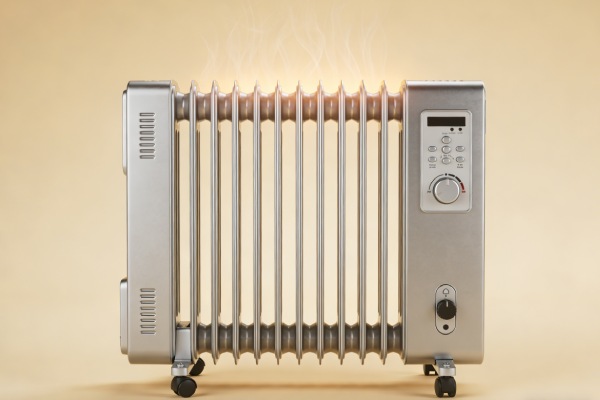
1. Symptom confirmation
You turn the heater on. It starts, the fan blows air, and heat begins to output. After 5-20 minutes of seemingly normal operation, it shuts down completely—fan, heat, all lights. No error codes flash. It will not restart. Only after it has cooled down for 30-60 minutes will it power back on, only to repeat the cycle. You hear no unusual noises and smell no burning prior to shutdown.
Confirm it’s this failure: This is not a thermostat issue (that would cause the fan to cycle on/off with heat). This is not a faulty high-limit switch (those usually auto-reset much faster). The key identifier is the uncommanded, silent, full shutdown with a mandatory long cooldown period.
2. Most probable failure causes (ranked)
- Cause #1 (85% of field cases): Poor Thermal Convection Design. The unit’s internal ambient temperature sensor is placed where it reads heat saturation from the cabinet, not true room air. It falsely triggers the over-temperature safety.
- Cause #2 (10%): Undersized Internal Wiring or Connectors. Wiring or terminal blocks feeding the heating elements overheat under sustained load, triggering a thermal fuse or causing the safety circuit to trip.
- Cause #3 (5%): Restricted Airflow Due to Installation. The unit is mounted too close to the ceiling or corners, or its intake/exhaust is partially blocked, causing heat to short-cycle back into the unit.
3. Quick diagnostic checks (no disassembly)
- Check Mounting Clearance: Measure the distance from the top and sides of the heater to any surface. If it’s less than 18 inches, you’ve found a likely contributor.
- Operational Test with External Thermostat (if equipped): Disconnect the unit’s built-in thermostat and jumper the wires (only if you are qualified). If the unit runs normally without shutting down, this confirms Cause #1—the internal control board/sensor is faulty.
- Feel for External Heat: After a shutdown, carefully feel the metal cabinet near the power entry point. If it’s extremely hot to the touch, suspect Cause #2.
4. Deep diagnostic steps
WARNING: Disconnect power at the breaker and verify with a multimeter before any disassembly.
- Remove the Front Grille/Cover: Inspect the heating elements for obvious “red spots” or distortion, indicating element failure and localized overheating.
- Locate the Thermal Fuse/Cutoff: Trace the wiring from the main power terminal to the heating elements. You will find one or more small, disc-shaped thermal fuses mounted to the heater body or ductwork. Test for continuity with a multimeter. A blown thermal fuse confirms an over-temperature event but doesn’t reveal the root cause.
- Inspect the Power Terminal Block: Where the main house wiring connects to the heater, look for melting, discoloration (brown/black), or cracked insulation on the heater’s own wires. This is a definitive sign of Cause #2.
5. Component-level failure explanation
The core failure in Cause #1 is a design logic flaw. The control board relies on a cheap thermistor placed inside the unit’s plenum. During operation, radiant heat from the elements and housing saturates this area. The sensor sees 120°F+ and thinks the room is that hot, commanding a shutdown. This is usage-pattern driven: it worsens in well-insulated spaces or when the heater is run for longer cycles, as heat buildup accumulates.
For Cause #2, failure is due to thermal stress. Under-rated spade connectors or aluminum wiring used in the factory assembly heat up under a continuous 30-50 amp load. This increases resistance, creating more heat (P=I²R), in a cycle that eventually melts plastic housings or trips thermal protection.
6. Repair difficulty and repeat-failure risk
- Skill Level: Intermediate to Advanced. Diagnosing the sensor/board requires electrical diagnostic skills. Replacing melted terminals requires proper crimping tools and high-temperature wire.
- Repeat-Failure Risk: High for Cause #1. Even if you replace the control board, the new one has the same flawed sensor placement. The failure will recur. For Cause #2, a proper repair with correctly rated components can be permanent.
- Hidden Damage: In Cause #2 cases, overheated terminals often degrade the insulation upstream on the main wires inside the heater. You must cut back the wire to fresh, pliable insulation.
This failure pattern is reported across multiple electric garage heaters, including wall-mounted and ceiling-mounted units.
7. Repair vs replace decision threshold
Do not attempt repair if:
- You have confirmed Cause #1 (sensor/board logic flaw). This is a fundamental design defect you cannot engineer out.
- There is visible melting at the main terminal block. This indicates the problem exceeded a safe threshold and other internal connections are likely compromised.
- The heater is over 5 years old. The cumulative thermal stress on other components makes new failures likely.
Repair may be justified if:
The unit is less than 2 years old, the failure is a single blown thermal fuse triggered by a documented airflow obstruction you can permanently fix, and there is zero evidence of melted wiring. The repair cost must be under 25% of a new, quality unit’s installed price.
8. Risk if ignored
Continuing to cycle the unit (letting it shut down and cool repeatedly) exacerbates thermal stress on all electrical connections, accelerating failure. In cases of undersized wiring (Cause #2), the next failure may involve sparks, sustained arcing, and a credible fire risk inside the wall or heater cabinet. Ignoring this symptom never results in a unit that “fixes itself.”
9. Prevention advice (realistic)
- What Actually Works: Providing massive clearance (24+ inches on all sides, especially above) can sometimes mitigate the design flaw by allowing heat to escape the cabinet. Ensuring the unit is on a dedicated, properly sized circuit with clean, tight connections at the panel can prevent external factors.
- What Doesn’t Work: “Breaking in” the heater, adjusting the built-in thermostat, or adding external ductwork does not resolve an internal sensor or wiring flaw. Installing a larger breaker is dangerous and illegal; it increases fire risk.
Quick Verdict (For Search Engines & Users)
- If it shuts off silently after 5–20 minutes → NOT user error
- If restart requires long cooldown → internal thermal design issue
- Repair rarely permanent → replacement recommended
10. Technician conclusion
In the field, when we trace this exact symptom to the internal control logic (Cause #1), we advise replacement. It is not fixable. For units with melted terminals (Cause #2), we often find the repair labor and risk of future latent failures outweigh the value of the unit. Most users regret not returning the heater immediately during the initial warranty period when the symptom first appeared. The safest and most economical path forward is usually to decommission the unit and install a product from a manufacturer with verifiable technical support and available parts.