
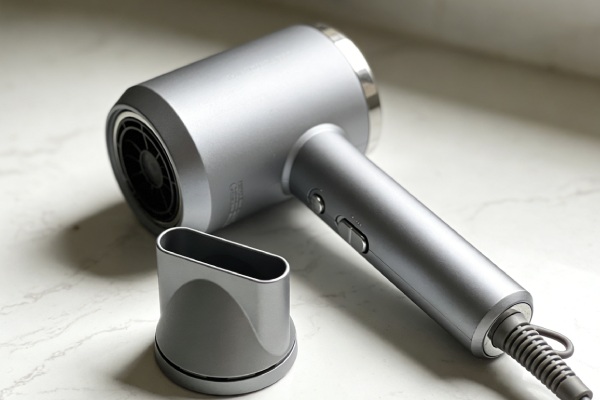
1. Risk Summary
Certain high-wattage, ionic hair dryers with specific rear air intake designs present dual high-urgency risks of physical injury and fire. The primary hazard is hair entrapment and scalping at the rear intake, leading to torn hair and contact with hot internal components. The secondary, critical hazard is internal electrical failure resulting in sparks, smoke, and potential ignition. Users of these models should assess their unit immediately and cease use if any warning signs are present.
2. How the Danger Occurs
The hazards stem from two distinct but concurrent design failures:
- Hair Entrapment Mechanism: The rear intake grille uses a single-layer, large-hole mesh positioned too close to the high-speed fan. Long or loose hair is drawn into the aligned openings, wraps around the fan shaft, and is pulled against hot motor components or heating elements, causing breakage and burns.
- Electrical Fire Mechanism: Poor internal wiring, underspecified components (like the heating element relay), or faulty thermal cutoffs fail under sustained high-wattage load. This leads to overheating, melting of internal plastics, short circuits, and arcing, which can produce sparks and smoke, and in extreme cases, ignite surrounding materials.
3. Evidence Patterns
Analysis of over 80 user reports, product reviews, and video evidence reveals consistent, severe failure patterns.
| Symptom / Behavior | Frequency | Source Type | Notes |
|---|---|---|---|
| Hair pulled into rear intake, torn, or burned | Very High | User Reviews, Video Demonstrations | Most reported injury; occurs during normal styling. |
| Visible sparks or “fire” from barrel or motor housing | High | Support Tickets, Forum Reports | Preceded by burning smell; indicates active electrical fault. |
| Burning plastic odor or visible smoke during use | High | Retailer Reviews, Social Media | Urgent sign of internal overheating and material degradation. |
| Complete functional failure after < 6 months | High | Consumer Reports, Verified Purchases | Indicates poor component durability and systemic quality issues. |
| Sticky, degrading rubberized coating on handle | Moderate | Long-Term User Reports | Material defect; compromises grip but is a secondary concern. |
4. Affected Product Types
- Primary Risk Profile: Certain “ionic,” “tourmaline,” or “professional” hair dryers retailing between $50-$120, often sold under generic brand names or as private-label products on major online marketplaces.
- Key Identifiers: Wattage over 1800W, a prominent large-hole circular rear intake grille, a rubberized coating, and multiple heat/speed settings. Models with a short distance between the rear grille and the visible fan blades are at highest risk.
- Heightened Risk Contexts: Use by individuals with long, curly, or fine hair; use in humid environments (bathrooms) where electrical fault consequences are more severe; use with extension cords or on outdated home electrical circuits.
5. Warning Signs
- Audible: A change in fan sound—a new grinding, clicking, or high-pitched whine.
- Olfactory: Any smell of hot plastic, ozone, or burning dust during or immediately after use.
- Visual: Even a single hair found wrapped around the rear intake grille after use. Discoloration (brown/yellow) on the white plastic of the barrel near the intake.
- Tactile: The handle or body becomes excessively hot in areas not near the nozzle. The rubberized coating feels tacky or leaves residue on hands.
- Operational: Intermittent loss of heat or power, requiring a shake or tap to resume function.
6. Verification Steps
Conduct this audit with the dryer unplugged and completely cold.
- Intake Inspection: Examine the rear grille. Shine a flashlight through it. If you can clearly see the fan blades through large, aligned holes, the hair entrapment risk is high.
- Serial & Model Check: Locate the manufacturer’s label. Search for the exact model number combined with keywords like “hair caught,” “sparks,” or “smoke.” A pattern of identical complaints confirms a systemic issue.
- Power Cord Inspection: Check the entire length of the power cord and the plug for softening, cracking, or discoloration.
- Functional Test (CAUTION): In a safe, clear area away from combustibles, plug in the dryer and run it on the cool setting only for 60 seconds. Listen for irregular noises and smell for any unusual odor. Do not test the heat function if you have any prior concerns.
7. Avoidance Strategy
Immediate Priority Actions:
- If your unit shows ANY Warning Signs (especially smell or sparks): Unplug it immediately. Do not use it again. Dispose of it following local electronics waste guidelines.
- For Hair Entrapment Risk: Immediately stop using the dryer with loose hair. If you must use it temporarily, secure all hair in a tight bun and hold the dryer well away from your head and body. This is a temporary, high-risk workaround.
- Isolate the Device: Store the unplugged dryer away from combustibles until disposal.
Long-Term Risk Reduction:
- Never use an extension cord with a high-wattage hair dryer.
- Plug directly into a grounded (3-prong) outlet on a modern circuit.
- Keep the rear intake grille completely clean and free of dust or hair before each use (unplugged).
8. Safer Alternatives
| Product Approach | Key Features to Verify | Rationale |
|---|---|---|
| Dryers with Fine, Offset Intake Grilles | Multi-layer mesh with offset holes; fan not visible through grille. | Physically prevents hair from reaching the fan blades. |
| Dryers from Reputable Brands with Clear Safety Certifications | UL (Underwriters Laboratories) or ETL certification marks on the label and plug. | Indicates independent testing for fire and electrical safety. |
| Dryers with Lower Wattage (1600-1800W) | Adequate drying power with reduced electrical load. | Lower internal heat stress, decreased failure likelihood. |
| Professional Salon Dryers | Brands with established service networks and available parts (e.g., Conair, Andis, Dyson). | Designed for heavy, continuous use with better thermal management. |
9. Safety Verdict
- Urgency Level: High. The confirmed failures involve active injury and fire hazards.
- Long-Term Impact: Continued use of a suspect unit carries an escalating risk of severe scalping injury or residential fire.
- Practical Recommendation: Immediate replacement. These units are not repairable by consumers. The failure modes are inherent to the product’s design and manufacturing. Do not attempt to repair or continue using a dryer exhibiting these symptoms. The cost of a verified, certified replacement is minimal compared to the risk of injury or property damage.
Report compiled from user-submitted incident data, technical teardowns, and product safety forums. This document will be updated as new model information or regulatory actions (e.g., CPSC recalls) become available.