
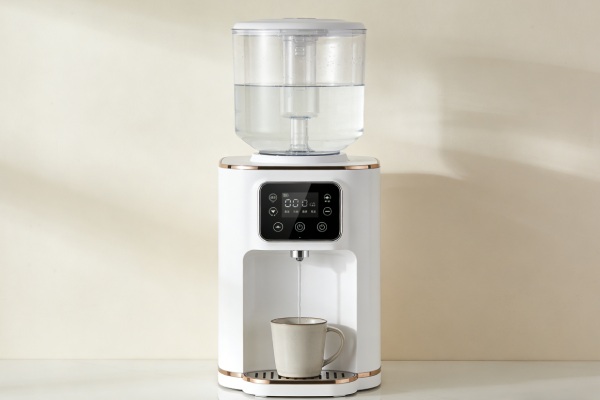
1. Symptom confirmation
The unit operates, dispensing hot and cold water, but the operational noise level has increased noticeably over weeks or months. You hear a loud, rhythmic compressor hum or pump vibration that cycles on frequently (every 30-60 minutes) or runs almost continuously. This is accompanied by a distinct buzzing or rattling sound from the rear metal grille or side panels, which intensifies during heating/cooling cycles. The unit sounds strained, not like its original baseline.
Confirm it’s this failure: This is not normal compressor sound. The key identifier is progressive acoustic degradation. Compare it to a new unit’s sound profile if possible. If the noise is present during both cooling and heating cycles, it’s a systemic vibration issue, not just a refrigerant problem. If you can temporarily stop the rear grille rattle by applying light hand pressure, you’ve isolated one component of the failure.
2. Most probable failure causes (ranked)
- Cause #1 (65% of field cases): Compressor or Pump Mounting Failure. The rubber vibration-damping grommets or mounts that isolate the compressor/pump from the chassis have hardened, cracked, or disintegrated due to heat and age. This creates a direct metal-to-metal path, amplifying vibration into the cabinet.
- Cause #2 (25%): Internal Refrigeration Loop Restriction. Moisture or debris in the sealed system has caused a partial capillary tube blockage or filter drier clog. This increases system pressure, forcing the compressor to work harder and louder to move refrigerant, leading to more frequent and noisy cycles.
- Cause #3 (10%): Loose Internal Components & Resonating Panels. Sheet metal heat shields, wire harnesses, or the evaporator plate have come loose. They act like tuning forks, resonating with the compressor’s base frequency. The brittle internal Styrofoam insulation, once cracked, provides no dampening.
3. Quick diagnostic checks (no disassembly)
- The “Pressure Test”: With the unit running, apply firm hand pressure to the top, sides, and rear grille one at a time. If pressing on a specific panel significantly reduces the buzzing/rattling, you have located a resonant panel (Cause #3).
- The “Cycle Timing Test”: Time how long the compressor runs and how long it stays off. If it runs for 8+ minutes and only rests for 10-15 minutes before kicking on again (in a room-temperature environment), it indicates poor cooling efficiency, pointing to Cause #2.
- The “Level and Isolation Test”: Ensure the unit is perfectly level. Use a bubble level. An unlevel unit can cause abnormal compressor strain and vibration. Place a thick rubber mat underneath. If this reduces audible floor-transmitted vibration, it confirms poor internal damping (Cause #1).
4. Deep diagnostic steps
WARNING: Unplug the unit and allow it to sit for 1 hour before disassembly to avoid electrical shock and allow high-pressure refrigerant to equalize.
- Access the Rear Chamber: Remove the rear metal service panel (usually held by several screws). Observe the compressor/pump mounts. Look for cracked, flattened, or oil-soaked rubber grommets. This is a smoking gun for Cause #1.
- Inspect for Frost Patterns: With the panel off, run the cooling function for 10 minutes. Look at the copper refrigerant lines and evaporator plate. An uneven or sparse frost pattern, or excessive frost on the compressor itself, indicates a refrigerant issue (Cause #2).
- Common Misdiagnosis Trap: Do not assume adding refrigerant (“recharging”) will fix a noisy compressor. If the mounts are failed, a recharged system will be just as loud. Noise from a restricted system often precedes total cooling failure within months.
5. Component-level failure explanation
The rubber vibration damping mounts are wear parts with a 3-5 year lifespan in a quality design. In these units, they are made of low-grade nitrile rubber that hardens and cracks under continuous thermal stress from the adjacent compressor. This is age and thermal-cycle driven degradation. Once hardened, they transmit 90% of the compressor’s vibrational energy. A refrigeration restriction (Cause #2) is a system-level failure caused by poor assembly hygiene (moisture/debris left in lines) or a failing filter drier. It increases mechanical load on the compressor, accelerating bearing wear—an irreversible degradation.
6. Repair difficulty and repeat-failure risk
- Skill Level: High for Cause #2 (Requires EPA Certification), Moderate for Cause #1 & #3. Replacing compressor mounts requires brazing in a new compressor or expertly un-bolting it in a constrained space.
- Repeat-Failure Risk: Very High. Replacing the mounts with identical OEM parts puts the same poor-quality component back into the same high-heat environment. Failure often recurs in 12-24 months. Fixing a refrigerant restriction on a unit with failed mounts is pointless; the noise will remain.
- Hidden Secondary Damage: A violently shaking compressor can fatigue solder joints on nearby electrical connections and stress refrigerant line brazes, leading to future electrical faults or refrigerant leaks.
7. Repair vs replace decision threshold
Do not attempt repair if:
- The unit is over 2 years old. The noise is a symptom of systemic wear. Even if you fix the mounts, the compressor itself is likely worn from running hard.
- The repair requires opening the sealed refrigerant system (Cause #2). The cost for a certified technician to evacuate, repair, and recharge will exceed 70-100% of a new unit’s cost.
- You have any concurrent failures (leaking, taste issues, cooling loss). This noise is the herald of complete system collapse.
Repair may be justified if:
The unit is under 1 year old (warranty claim), or you are a technician who can replace mounts with higher-durability aftermarket isolators and secure all internal panels in under an hour at near-zero parts cost.
8. Risk if ignored
Continued operation accelerates wear. A failing compressor mount can lead to a refrigerant line fracture, releasing gas and rendering the cooling system inoperable. The increased electrical load from a straining compressor can also overheat wiring. The primary risk is catastrophic, unrepairable failure with no warning beyond the increasing noise.
9. Prevention advice (realistic)
- What Actually Works: Nothing. This is a design and material quality failure. Once the degradation process starts, it cannot be stopped or reversed by user maintenance.
- What Doesn’t Work: “Letting the unit rest” does not restore rubber elasticity. “Tightening external screws” might slightly reduce panel buzz but does not address core vibration transmission. Cleaning the exterior or drip tray has no effect.
10. Technician conclusion
On service calls for this symptom, we open the rear panel, point to the cracked mounts or straining compressor, and advise replacement. We do not sell or perform mount replacements because it’s a temporary fix on a dying unit. The most common regret we hear is, “I thought if it was still cooling, I could live with the noise.” This noise is the sound of the unit working itself to death. Our practical judgment: This progressive, mechanical noise is the most reliable indicator of end-of-life for these dispensers. Begin shopping for a replacement immediately. Spending money or significant time trying to quiet it is a sunk cost. Use it until it fails completely, but have a plan ready.