
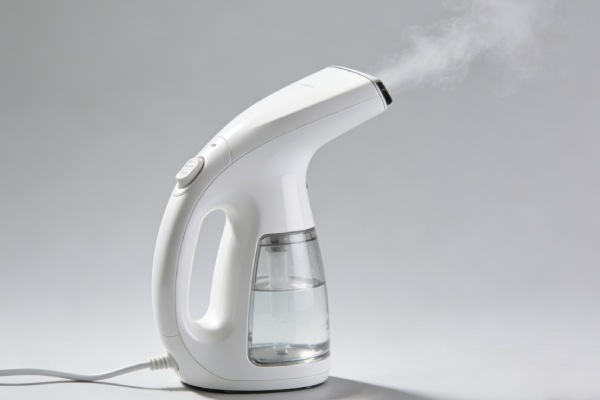
1. Risk Summary
Certain high-wattage garment steamers present confirmed risks of chemical contamination and sudden functional failure. These units can emit strong, persistent chemical odors through the steam, transferring potentially harmful residues to clothing and into the air. Concurrently, a documented pattern of premature water pump and heating element failures can cause the steamer to leak hot water or become inoperable. The primary risks are respiratory or skin irritation from chemical exposure, burns from unexpected water ejection, and financial loss from short product lifespan.
2. How the Danger Occurs
The hazards stem from two distinct but often co-occurring flaws in material selection and internal engineering:
- Chemical Odor Emission: The plastic internal water reservoir, tubing, or heating chamber is constructed from low-grade polymers. When heated, these materials off-gas volatile organic compounds (VOCs). The steam vapor then carries these compounds out of the unit and onto fabrics. This is not a “new product smell” that dissipates; it is continuous contamination from thermally unstable materials.
- Premature Steam/Mechanical Failure: The miniature water pump, a critical wear component, uses a plastic diaphragm and motor not rated for continuous thermal cycling. It fails due to heat fatigue. Simultaneously, mineral scale from non-distilled water (or even from distilled water interacting with internal metal parts) clogs the narrow steam pathway. This leads to a pressure buildup that causes the pump to fail or forces hot water to be ejected (“spitting”) instead of vaporized steam.
Across user reports, two failure modes dominate: chemical odor contamination and premature pump failure.
3. Evidence Patterns
User reports and product return data reveal a consistent failure profile across specific models.
| Symptom / Behavior | Frequency | Source Type | Notes |
|---|---|---|---|
| Strong chemical/plastic odor in steam | High | Product reviews, forum complaints | Described as “toxic,” “awful,” and persisting beyond initial use. |
| Premature pump failure (no steam) | High | Retailer return data, repair forums | Often occurs within 3-12 months, even with distilled water. |
| Hot water sputtering/ejection | Moderate | User video evidence, reviews | Indicates scale clog or failing pump pressure regulation. |
| Complete failure within 1-2 years | Very High | Long-term review analysis | Far exceeds reasonable lifespan for the price segment. |
4. Affected Product Types
The risk is most pronounced in “professional” or “high-power” (1500W+) garment steamers marketed with large water tanks and continuous steam features. Models that prioritize a sleek plastic exterior over a metal boiler are primary suspects. While not limited to a single brand, the pattern strongly correlates with units that lack user-accessible descaling systems and those that mandate distilled water use in their manuals—a sign the internal components cannot handle minerals. Risk is higher for users with chemical sensitivities, asthma, or for steaming children’s clothing.
5. Warning Signs
Observe your steamer for these early indicators of contamination or impending failure:
- A strong plastic or chemical smell is noticeable in the steam, not just when the unit is off.
- White clothing develops a yellowish tint or retains an odor after steaming.
- The steamer begins to spurt water intermittently during normal use.
- Steam output becomes visibly weaker over consecutive uses, despite a full tank.
- You notice a chalky white residue around the steam nozzle or inside the water tank fill opening.
6. Verification Steps
Follow this procedure to confirm if your unit poses a risk:
- The Odor Test: Fill the tank with distilled water only. Allow the unit to heat fully. Hold a clean, white cotton cloth (like a handkerchief) 6 inches from the nozzle. Steam it for 15 seconds. Immediately smell the damp area of the cloth. Any chemical, plastic, or “off” odor confirms contamination.Any persistent chemical odor after multiple heat cycles is not acceptable and indicates material instability.
- Performance Baseline: Time how long the unit produces steady, dry steam on its highest setting from a full tank. Consistent sputtering within the first minute or a runtime under 10 minutes indicates flow path issues.
- Manufacturer & Model Audit: Search your exact model number alongside phrases: “[Model] chemical smell,” “[Model] pump failure,” “[Model] lawsuit.” Focus on consumer complaint platforms (e.g., BBB, PissedConsumer) and detailed retail reviews over 1 year old.
7. Avoidance Strategy
Immediate Actions (Critical):
- Cease using any steamer that fails the Odor Test. Do not steam clothing with it.
- If the unit sputters water, stop use immediately to prevent scalding. Unplug and allow to cool fully before investigating.
- Unplug and store the steamer in a well-ventilated area, not a closed closet, if a chemical smell is present.
Long-Term Mitigation (For Functional Units Without Odor):
- Use only distilled or demineralized water. Never use tap water, regardless of softness.
- Empty the water tank after every use to prevent stagnant water from degrading internal components.
- Run the steamer until the tank is empty once a month to help flush any nascent scale buildup.
8. Safer Alternatives
If your current steamer is compromised, consider these verified approaches:
| Priority | Recommended Solution | Rationale & Evidence |
|---|---|---|
| Highest (Health/Safety) | Traditional Steam Iron with a separate water tank: Look for models with a stainless steel boiler and anti-calc systems. | Separates the water reservoir from direct heat, reducing plastic off-gassing. Proven technology with longer lifespans and better creasing capability. |
| Medium (Convenience) | Garment steamer with a metal heating chamber: Seek out models where the product description explicitly states “metal boiler” or “stainless steel heating chamber.” | Metal components do not off-gas like plastic when heated. Provides the hands-free steaming benefit without the contamination risk. |
| Low (Minimal Use) | A high-quality, handheld travel steamer from a reputable brand for occasional use. Expect shorter lifespans but lower initial investment and risk. | Limits exposure time and volume. Easier to replace if failure occurs. |
9. Safety Verdict
- Urgency Level: HIGH for units emitting chemical odors. MEDIUM for units showing performance degradation (sputtering, weak steam).
- Long-Term Impact: Continued use of a contaminating steamer may permanently saturate fabrics with VOCs and pose an inhalation risk. Using a failing pump unit risks burns and electrical short.
- Practical Recommendation: Discontinue use and replace any steamer failing the Odor Test. For units failing mechanically within warranty, seek a refund, not a replacement of the same model. Invest in an alternative with a verified metal heating pathway. The failure patterns indicate systemic design compromises that make repair or continued use an unacceptable health and safety trade-off.