
Choosing the right electric toothbrush involves more than comparing price, motor speed, or the number of cleaning modes. The best choice depends on brushing technology, brush-head design, pressure control, ease of use, and long-term replacement costs.
This guide explains the differences between electric toothbrush types, which features are worth paying for, and how to choose a model that suits your oral-care needs.
1. What to Look for When Buying an Electric Toothbrush
Brush Head Design and Size
Brush-head shape affects how easily you can reach different areas of your mouth.
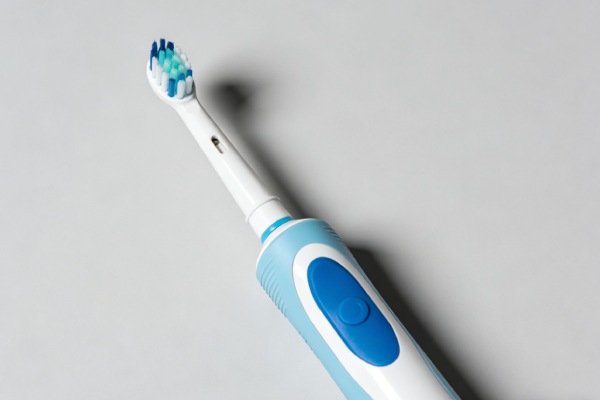
- Round brush heads: Commonly used by oscillating-rotating toothbrushes. Their compact shape allows you to clean individual teeth systematically.
- Elongated brush heads: Commonly used by sonic toothbrushes. They resemble manual toothbrush heads and cover a broader area with each movement.
Choose a head that reaches your back teeth comfortably without irritating your gums.
Bristle Quality
Soft bristles are generally the best choice for everyday brushing. Hard bristles do not automatically clean better and may irritate gums when combined with excessive pressure.
Look for evenly arranged bristles that are comfortable against your teeth and gumline.
Pressure Sensor
A pressure sensor is one of the most useful features to consider. Different models provide different warnings:
- Visual alerts illuminate when excessive pressure is detected.
- Vibration alerts notify you when you press too hard.
- Speed reduction lowers brushing intensity.
- Automatic stopping interrupts brushing when pressure becomes excessive.
If you have sensitive gums or tend to brush aggressively, prioritize this feature.
Timer and Quadrant Pacer
A two-minute timer helps you meet the recommended brushing duration. A quadrant pacer divides brushing into four sections, reminding you to spend enough time on each area.
These features are more useful for everyday brushing than numerous decorative cleaning modes.
Battery Life and Charging
Compare battery runtime, charging time, charger type, and travel convenience. If you travel frequently, consider a model that can last several weeks between charges.
Replacement Brush Head Availability
Check replacement-head compatibility before purchasing. Some toothbrushes use proprietary connections, so replacement heads may not fit across different product series.
Compare replacement prices and availability rather than judging value by the initial purchase price alone.
2. Sonic vs. Oscillating-Rotating Electric Toothbrushes
The two main electric toothbrush technologies use different brushing movements and brush-head designs.
Sonic Toothbrushes
Sonic toothbrushes typically use elongated heads with rapid side-to-side movement. Their design is familiar to people who have previously used manual toothbrushes.
Potential advantages:
- Familiar brushing-head shape.
- Broad contact area.
- Multiple brushing modes on some models.
Oscillating-Rotating Toothbrushes
These toothbrushes usually feature small, round heads that rotate back and forth. Users move the brush systematically from one tooth to another.
Potential advantages:
- Compact heads for individual-tooth cleaning.
- Easy access to certain areas around individual teeth.
- A brushing technique that encourages slower, more deliberate movement.
Which Technology Is Better?
Neither type is automatically superior for every user. Research comparing brushing technologies has found some differences in plaque and gingivitis outcomes, but the practical significance varies across studies.
Choose based on comfort, brushing technique, replacement-head costs, and whether you can use the brush consistently.
3. Which Electric Toothbrush Features Are Worth Paying For?
Not every advertised feature provides meaningful everyday value.
| Feature | Buying priority | Why it matters |
|---|---|---|
| Pressure sensor | High | Helps prevent excessive brushing pressure |
| Two-minute timer | High | Encourages adequate brushing time |
| Quadrant pacer | High | Helps distribute brushing time evenly |
| Sensitive mode | Medium | Offers a gentler brushing option |
| Travel case | Medium | Protects the brush during travel |
| Bluetooth connectivity | Low | Optional tracking and app functions |
| Multiple cleaning modes | Low | More modes do not guarantee better cleaning |
For most buyers, a reliable pressure sensor and timer are more useful than expensive app-connected features.
4. How to Choose an Electric Toothbrush for Your Needs
For Sensitive Gums
Choose soft bristles, a pressure sensor, and a gentle cleaning mode. Avoid models that make it difficult to control brushing intensity.
For People Wearing Braces
Look for a brush head that can reach around brackets and wires. Pay particular attention to brush-head availability and follow your orthodontist’s cleaning instructions.
For Beginners
A simple toothbrush with a timer and pressure sensor is a practical starting point. You do not need a complicated app or numerous cleaning modes.
For Frequent Travelers
Prioritize battery runtime, charging convenience, a protective case, and replacement-head availability at your destination.
For Budget Buyers
Focus on essential brushing features and affordable replacement heads. A basic model can be a better long-term purchase than a premium toothbrush with expensive accessories.
5. How Much Does an Electric Toothbrush Cost Over Time?
The total ownership cost includes the toothbrush, replacement heads, charging accessories, and possible repairs.
Consider this example:
A toothbrush costs $60, and each replacement head costs $8. If you replace the head four times per year, the annual replacement-head cost is $32.
| Expense | Cost |
|---|---|
| Initial toothbrush | $60 |
| One replacement head | $8 |
| Four replacement heads per year | $32 |
| Three-year replacement-head cost | $96 |
| Three-year total | $156 |
This example excludes charger replacement and repairs. Actual costs depend on the model and replacement-head price.
The American Dental Association recommends replacing toothbrushes or brush heads every three to four months, or sooner if the bristles become frayed.
Before buying, check whether replacement heads are consistently available and whether their cost fits your budget.
6. Common Electric Toothbrush Buying Mistakes
- Choosing based on advertised speed: Higher advertised movement numbers do not automatically mean better cleaning.
- Ignoring brush-head costs: Replacement heads are a recurring expense.
- Assuming all heads are compatible: Check the exact model and connection type.
- Paying extra for unnecessary modes: Additional modes do not guarantee better oral hygiene.
- Ignoring pressure control: Brushing harder is not the same as brushing better.
- Overlooking warranty coverage: Check warranty duration, exclusions, and repair availability.
7. How to Compare Electric Toothbrushes Before Buying
Use these criteria to compare shortlisted models:
- Brush-head shape and size.
- Bristle softness and replacement availability.
- Pressure sensor type.
- Timer and quadrant-pacing functions.
- Battery runtime and charging method.
- Replacement-head price.
- Warranty and after-sales support.
- Independent evidence of safety and effectiveness.
An ADA Accepted toothbrush has met applicable American Dental Association requirements for safety and effectiveness. This can be a useful reference when comparing products, but it should not replace checking the features and costs that matter to you.
8. Electric Toothbrush vs. Water Flosser
An electric toothbrush and a Water Flosser perform different functions.
An electric toothbrush cleans tooth surfaces through brushing. A Water Flosser directs a stream of water around the gumline and between teeth to help remove food debris and plaque.
A Water Flosser can be a useful addition for some people, including those who wear braces or have difficulty using traditional interdental cleaning tools. However, it does not replace brushing.
People searching for the phrase “electric brush teeth” are generally looking for an electric toothbrush. When comparing these oral-care products, remember that they serve different purposes.
9. Frequently Asked Questions
Is a Sonic or Oscillating-Rotating Toothbrush Better?
Both can be effective when used correctly. Choose the type that feels comfortable and helps you maintain a consistent brushing routine.
Is an Electric Toothbrush Worth Buying?
It can be worthwhile if its timer, pressure sensor, and brushing design help you clean more consistently. A manual toothbrush can also clean effectively when used properly.
Do I Need a Pressure Sensor?
A pressure sensor is particularly useful if you tend to brush too hard or have sensitive gums. It is a helpful feature, although not an absolute requirement.
How Often Should I Replace Electric Toothbrush Heads?
Generally, every three to four months. Replace them sooner if the bristles become visibly worn or frayed.
Are More Cleaning Modes Better?
Not necessarily. A few useful modes are sufficient for most people. Brushing technique and consistency matter more than the number of modes.
How Long Should an Electric Toothbrush Battery Last?
Battery performance varies by model, usage frequency, and battery capacity. Check independent reviews and manufacturer specifications rather than relying only on advertised runtime.
Is an ADA Accepted Electric Toothbrush Better?
ADA acceptance provides evidence that a product meets applicable safety and effectiveness requirements. It is a useful reference, but price, comfort, replacement-head costs, and personal needs still matter.
Are Expensive Electric Toothbrushes Worth It?
Not always. Premium models may provide additional convenience, but a more expensive toothbrush does not automatically deliver better cleaning results.
Final Buying Checklist
Before purchasing, confirm that the toothbrush:
- Has a comfortable brush head and soft bristles.
- Includes a two-minute timer.
- Offers pressure feedback.
- Has affordable, readily available replacement heads.
- Provides sufficient battery life for your needs.
- Comes with clear warranty coverage.
For most people, a straightforward electric toothbrush with these essential features offers a better balance of usability, cleaning support, and long-term cost than a premium model packed with unnecessary functions.