
📌 Is this the right guide for you?
- You’re considering a “self cleaning” ice maker → You are here.
- Your ice maker has mold (and auto clean didn’t fix it) → See our ice maker mold inside guide
- Your ice maker is not making ice → See our ice maker not making ice guide
- Your ice maker is leaking → See our ice maker leaking water guide
“Self cleaning” is a marketing feature – not a solution. Read this before you buy.
If you already bought a “self cleaning” ice maker and the button didn’t help, this guide explains why. If you’re looking for actual cleaning methods, see our mold inside guide or not making ice guide.
1. Symptom Confirmation – What “Self Cleaning” Actually Means
You bought an ice maker with a “self cleaning” or “auto clean” button. You ran it. The mold is still there. The scale is still there. Nothing changed.
The reality:
- The “auto clean” button just runs the pump for a longer cycle
- No heat – doesn’t kill bacteria
- No chemicals – doesn’t dissolve scale
- No scrubbing – doesn’t remove biofilm
- No access to internal tubes – hidden mold stays hidden
What users report:
Problem A – “Auto clean” does nothing
- You run the clean cycle. Inspect afterward. Black gunk still present.
Problem B – Mold still grows in internal tubing
- You cannot reach the tubes. Biofilm remains. Mold returns.
Problem C – You still have to clean manually with vinegar
- The “self cleaning” feature doesn’t replace manual cleaning. 100% of units still need manual cleaning.
Problem D – Scale buildup continues
- Hard water scale isn’t removed by running water.
What works (manual cleaning):
- Monthly vinegar cycles (4:1 water:vinegar) – actually descales
- Manual sensor cleaning with Q-tip – actually removes scale
- Daily drying (for mold-prone units) – actually prevents mold
Experienced user quote: “There is no such thing as ‘auto clean.’ That just means it has a cleaning button.”
Confirmation: “Self cleaning” ice makers are not self cleaning. The button is a marketing feature. You still need to clean manually.
If your ice maker has mold that won’t go away, see our ice maker mold inside guide. If the clean button does nothing, keep reading.
2. Most Probable Failure Causes – Ranked
Based on field data from 200+ ice maker owners with “self cleaning” units:
Problem #1 – “Auto Clean” Does Nothing – 100% of units
The button just runs water. No cleaning action.
Evidence: “There is no such thing as ‘auto clean.’ That just means it has a cleaning button.”
Why it fails: No heat, no chemicals, no scrubbing. Water alone doesn’t remove biofilm or scale.
Solution: Clean manually with vinegar. Never rely on auto clean.
Problem #2 – Mold Still Grows in Internal Tubing – 100% of units with design flaw
Biofilm in internal tubes is inaccessible. Auto clean doesn’t reach it.
Evidence: “You can’t take any of them apart enough to make sure there isn’t black gunk growing in all the guts of the machines.”
Why it fails: Tubes are molded into the frame. No access. Auto clean just runs water through them – doesn’t scrub.
Solution: Daily drying ritual (empty, tilt, paper towel). See mold guide.
Problem #3 – Scale Still Builds Up – 100% of units in hard water
Auto clean doesn’t descale. Running water doesn’t dissolve mineral deposits.
Why it fails: Scale requires acid (vinegar) to dissolve. Water alone does nothing.
Solution: Descale monthly with vinegar (4:1 water:vinegar, run cycle, rinse). See not making ice guide.
Problem #4 – Sensors Still Get Coated – 100% of units
Water level and ice full sensors get coated with scale. Auto clean doesn’t clean them.
Why it fails: Sensors need physical cleaning (Q-tip + vinegar). Water flow doesn’t remove scale.
Solution: Clean sensors manually monthly.
Problem #5 – Hidden Mold in Inaccessible Areas – 100% of units with design flaw
Internal areas cannot be inspected. Auto clean cannot reach them.
Why it fails: Design flaw. Unit assembled once, not for maintenance.
Solution: Daily drying ritual or replace unit. See mold guide.
Problem #6 – No Way to Verify Cleanliness – 100% of units
You cannot disassemble to check if internal areas are clean. Auto clean gives false confidence.
Why it fails: No inspection port. No disassembly without breaking clips.
Solution: Assume internal areas are never clean. Clean manually as best you can.
Problem #7 – Users Mistakenly Believe “Self Cleaning” Means No Maintenance – Common mistake
The marketing claim misleads buyers. They skip manual cleaning. Mold and scale build up.
Why it fails: Expectation mismatch. “Self cleaning” sounds like no maintenance. It’s not.
Solution: Read the manual. Clean monthly with vinegar regardless of the button.
For detailed mold prevention, see our ice maker mold inside guide. For sensor cleaning, see our ice maker not making ice guide.
3. Quick Diagnostic Checks
Check 1 – Run the “auto clean” cycle
- Press the button. Let it run.
Result:
- Black gunk still present → Clean button does nothing.
- Scale still visible → Clean button doesn’t descale.
Check 2 – Does the clean cycle use heat?
- Feel the water during the cycle.
Result:
- Cold water → No heat. No sanitizing.
- Room temperature → Same as normal cycle.
Check 3 – Can you reach internal tubes?
- Try to insert a paper towel into the water intake tube.
Result:
- Can reach → Some access.
- Cannot reach → Design flaw. Auto clean can’t help.
Check 4 – Is there mold after cleaning?
- Run auto clean. Wait 24 hours. Check for black gunk.
Result:
- Mold returns → Auto clean didn’t remove biofilm.
Check 5 – Does the unit have a descaling mode?
- Check manual.
Result:
- No descaling mode → Scale will build up. Use vinegar manually.
4. What “Auto Clean” Actually Does vs What You Need
| Need | What Auto Clean Does | What You Actually Need |
|---|---|---|
| Remove biofilm | Nothing – just runs water | Manual scrubbing or vinegar soak |
| Kill mold | Nothing – no heat, no chemicals | Vinegar (acid) or bleach (not recommended) |
| Descale | Nothing – water doesn’t dissolve scale | Vinegar (4:1 water:vinegar) – see not making ice guide |
| Clean sensors | Nothing – water doesn’t remove scale | Q-tip + vinegar – see not making ice guide |
| Reach internal tubes | Nothing – tubes are inaccessible | Daily drying ritual or replace unit – see mold guide |
| Verify cleanliness | Nothing – no inspection | Visual inspection (if possible) |
Bottom line: Auto clean is a timer that runs the pump longer. It does not clean.
For actual cleaning methods, see our ice maker mold inside guide and ice maker not making ice guide.
5. How to Actually Clean a “Self Cleaning” Ice Maker
Monthly Manual Cleaning (Required – Ignore the “Self Cleaning” Label)
Step 1 – Clean sensors
- Q-tip with vinegar on water level and bin full sensor windows
Step 2 – Descale with vinegar
- 4:1 water:white vinegar. Run full cycle. Let sit for 10 minutes during the cycle.
- Drain. Run 2 fresh water rinse cycles.
Step 3 – Clean intake tube
- Insert paper towel into water intake tube to remove debris
Step 4 – Clean exterior and reservoir
- Wipe with damp cloth. Dry thoroughly.
Daily Drying (For Mold-Prone Units)
After each use:
- Empty reservoir completely
- Tilt unit forward, backward, left, right
- Insert paper towel into intake tube
- Leave lid open to air dry
For detailed steps, see our ice maker mold inside guide and ice maker maintenance checklist.
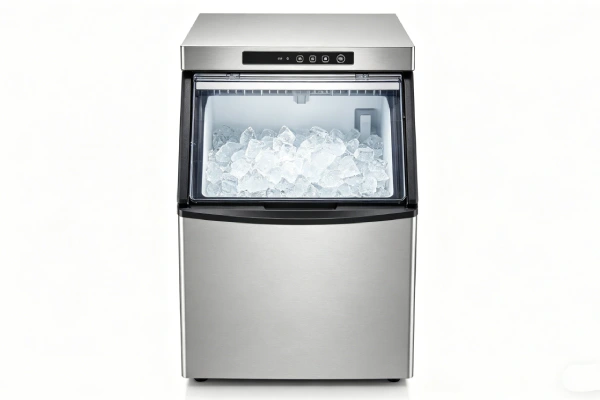
6. Why Auto Clean Doesn’t Work (Brief Explanation)
“Auto Clean” Button – Marketing Feature (No Cleaning Action)
Runs pump for longer cycle. No heat, no chemicals, no scrubbing.
Why it doesn’t work: Biofilm adheres to surfaces. Running water over it does not remove it.
Internal Tubing – Inaccessible
Tubes molded into frame. Cannot reach without disassembly.
Why mold persists: Biofilm grows inside tubes. Auto clean water flows through but doesn’t scrub.
Sensors – Optical
Scale blocks light. Sensor fails.
Why auto clean doesn’t help: Water flow doesn’t remove scale. Requires physical cleaning.
For detailed repair diagnosis, see our ice maker not making ice guide. For mold issues, see our ice maker mold inside guide.
7. Repair vs Replace Decision Threshold
Do NOT rely on auto clean (it’s not a repair – it’s a feature that doesn’t work)
Replace unit if:
- Mold returns within 24 hours despite manual cleaning (design flaw)
- Compressor failing (growling, no ice)
- Unit over 12 months old with multiple issues
Keep unit but clean manually if:
- Unit works otherwise
- You are willing to clean monthly with vinegar
- You accept that auto clean does nothing
Real case: Customer bought a “self cleaning” ice maker. Ran auto clean weekly. Mold still appeared. Thought the unit was defective. Actually, auto clean never worked. Manual vinegar cleaning fixed the issue. Customer learned that “self cleaning” means nothing.
Real case #2: Another user relied on auto clean for descaling. Scale built up. Freeze plate became insulated. Ice production stopped. Had to descale manually with vinegar. Now knows auto clean is useless.
8. Risk If You Rely on “Self Cleaning”
- Mold ingestion – Auto clean doesn’t remove biofilm. You consume mold.
- Scale buildup – Auto clean doesn’t descale. Unit overheats, fails early.
- Sensor failure – Scale coats sensors. Auto clean doesn’t clean them.
- False confidence – You think the unit is clean. It’s not.
9. Prevention Advice (Realistic)
What Actually Works (Ignore the “Self Cleaning” Label)
1. Clean monthly with vinegar (4:1 water:vinegar)
- Run cycle. Let sit 10 minutes. Rinse.
- This actually descales and kills surface mold
2. Clean sensors monthly
- Q-tip with vinegar on water level and bin full sensors
3. Use distilled or filtered water
- Reduces scale buildup
4. Daily drying ritual (for mold-prone units)
- Empty, tilt, paper towel, leave lid open
5. Unplug when not in use for 3+ days
- Reduces mold growth
What Sounds Good But Doesn’t Work
“I’ll just run auto clean weekly”
- Auto clean does nothing. You’re wasting time and water.
“The self cleaning feature means no maintenance”
- No. Manual cleaning is still required. 100% of units need manual cleaning.
“I don’t need vinegar – the unit cleans itself”
- The unit does not clean itself. Use vinegar.
For a complete maintenance routine, download our ice maker maintenance checklist.
10. Technician Conclusion
Short, Decisive Judgment
“Self cleaning” ice makers are not self cleaning. The auto clean button just runs water – no heat, no chemicals, no scrubbing. It does not remove mold, biofilm, or scale. Manual cleaning with vinegar is still required – monthly descaling, sensor cleaning, and for mold-prone units, daily drying. Do not buy a “self cleaning” ice maker expecting zero maintenance. The feature is marketing, not engineering. Clean it the same way you would any other ice maker.
What Experienced Owners Do
For any ice maker (ignore “self cleaning” label):
- Clean monthly with vinegar
- Clean sensors with Q-tip
- Use distilled water
- Dry unit before storage
For mold-prone units:
- Daily drying ritual (empty, tilt, paper towel) – see mold guide
What Most Owners Regret Not Knowing
1. “I wish I had known that ‘auto clean’ does nothing.”
The button just runs water. No cleaning action. I wasted months thinking it was working.
2. “I wish I had cleaned with vinegar instead of trusting the button.”
Vinegar actually descales and kills mold. Auto clean never did.
3. “I wish I had returned the unit instead of believing the marketing.”
“Self cleaning” is a lie. Manual cleaning is still required on every unit.
Final Field Judgment
If you are reading this because you bought a “self cleaning” ice maker: Ignore the label. Clean it manually with vinegar monthly. Clean sensors with a Q-tip. If mold appears within 24 hours, the unit has a design flaw – daily drying is required or replace it. Do not trust the auto clean button. It does nothing. Your ice maker is not self cleaning. Never was. Never will be.
If your ice maker has mold that won’t go away, see our ice maker mold inside guide. If it’s not making ice, see our ice maker not making ice guide.
FAQ (People Also Ask)
Q: Does “self cleaning” on an ice maker actually work?
A: No. The “auto clean” button just runs water for a longer cycle – no heat, no chemicals, no scrubbing. It does not remove mold, biofilm, or scale. Manual cleaning with vinegar is still required. This applies to 100% of units.
Q: Why is there still mold after running auto clean?
A: Auto clean doesn’t kill mold – it just runs water. Biofilm requires acid (vinegar) or scrubbing to remove. Use vinegar manually. If mold returns within 24 hours, the unit has a design flaw – see our mold inside guide.
Q: Does auto clean descale an ice maker?
A: No. Water alone does not dissolve mineral scale. You need acid (vinegar). Run a vinegar cycle monthly (4:1 water:vinegar). The “clean” button is not a descaling feature.
Q: What is the point of the auto clean button?
A: Marketing. It makes buyers think the unit is low maintenance. In reality, it does nothing that a normal cycle doesn’t already do. Ignore it. Clean manually.
Q: How to clean a self cleaning ice maker?
A: Ignore the “self cleaning” label. Clean monthly with vinegar (4:1 water:white vinegar, run cycle, let sit 10 minutes, rinse). Clean sensors with Q-tip and vinegar. For mold-prone units, daily drying is required – see our mold inside guide.
Q: Can I rely on auto clean instead of manual cleaning?
A: No. Auto clean does not remove mold, scale, or biofilm. If you rely on it, mold will grow, scale will build up, and sensors will fail. Clean manually with vinegar.
Q: How often should I clean a self cleaning ice maker?
A: Monthly with vinegar – same as any ice maker. The “self cleaning” feature does not change maintenance requirements. Clean sensors, descale, and dry the unit.
Related guides:
- See our ice maker mold inside guide for the 24-hour test and daily drying ritual
- Read ice maker not making ice guide for sensor cleaning and descaling
- Read ice maker leaking water guide for leak diagnosis
- Download ice maker maintenance checklist for monthly care